
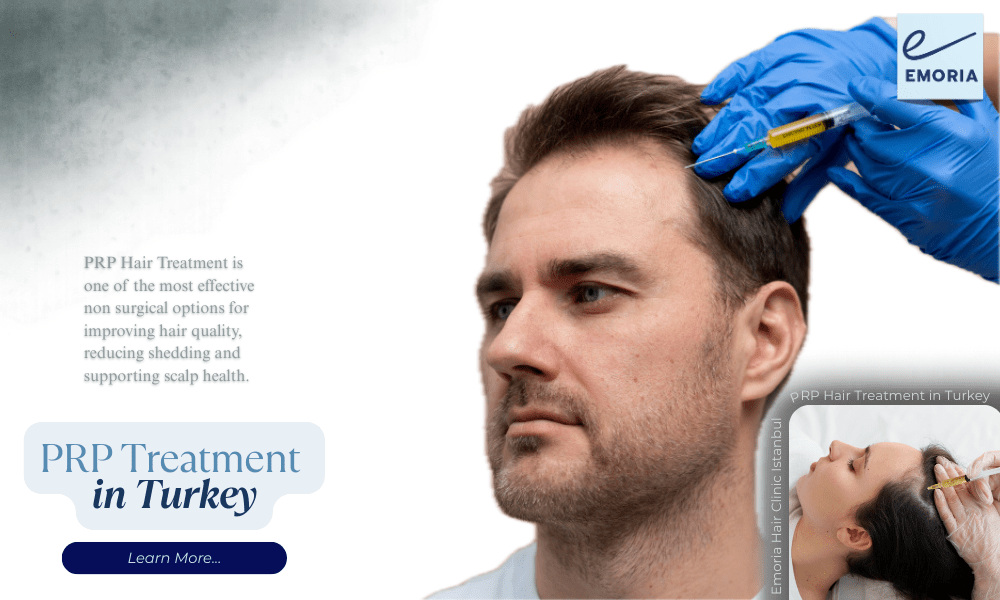
Hair thinning and early stage hair loss affect millions of men and women worldwide. While hair transplantation is a permanent solution for advanced hair loss, many patients are either not ready for surgery or are looking for a treatment that protects and strengthens their existing hair. PRP Hair Treatment in Turkey has become one of the most preferred non surgical options for this purpose.
At Emoria Clinic, PRP therapy is applied as a standalone treatment or combined with advanced Hair Transplant Methods to improve hair quality, slow down shedding and support long term scalp health. The treatment is based on regenerative medicine principles and uses the patient’s own blood, making it a natural and well tolerated approach.
What Is PRP Hair Treatment?
PRP Hair Treatment stands for Platelet Rich Plasma therapy. It is a regenerative medical procedure that aims to stimulate hair follicles using growth factors derived from the patient’s own blood.
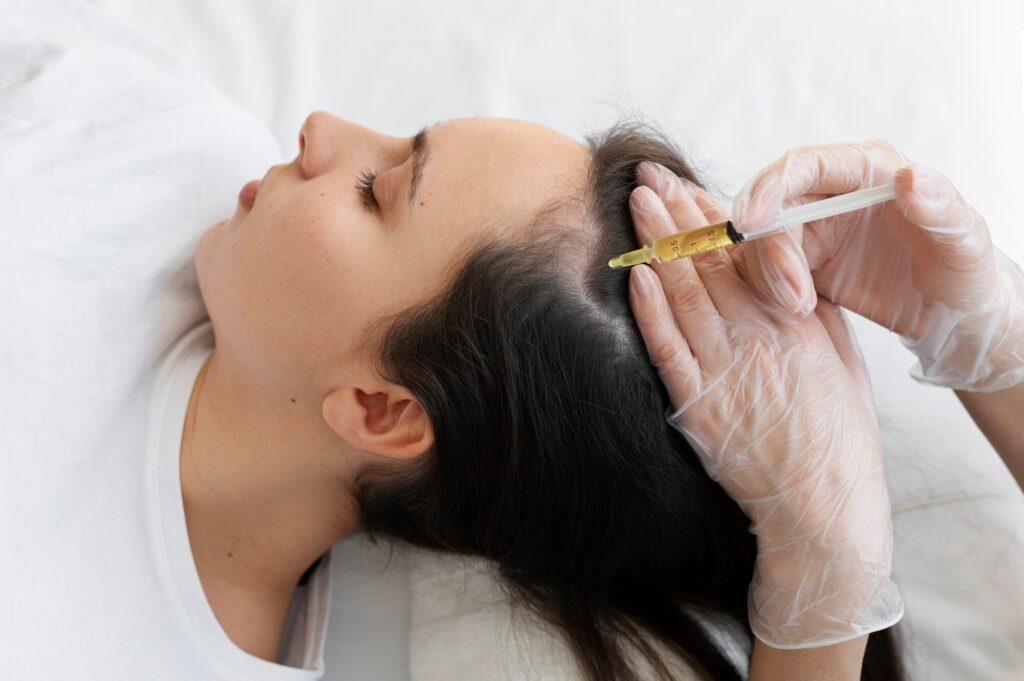
During the process, a small blood sample is taken and placed into a medical centrifuge. This separates platelet rich plasma from other blood components. The plasma, which contains a high concentration of growth factors, is then injected into targeted areas of the scalp where hair thinning or Diffuse Thinning is present.
Because PRP is autologous, meaning it comes from the patient’s own body, the risk of allergic reaction or rejection is extremely low. This makes PRP a safe option for patients seeking non surgical Alternatives to Hair Transplant treatments.
How PRP Works for Hair Loss
Platelets play a key role in tissue repair and cell regeneration. When injected into the scalp, PRP releases growth factors that directly affect the environment around hair follicles.
PRP helps by:
Improving blood circulation in the scalp
Strengthening weak and miniaturized hairs
Extending the active growth phase of hair
Reducing inflammation around hair follicles
PRP does not create new hair follicles. Instead, it improves the performance, survival and quality of existing Hair Graftunits and natural hair. For this reason, PRP is especially effective in early hair loss stages and as a supportive therapy after hair transplant procedures.
PRP Hair Treatment Procedure at Emoria Hair Clinic
At Emoria Hair Clinic, PRP treatments are performed by trained medical professionals under sterile clinical conditions. Each treatment plan is customized based on the patient’s hair loss pattern, scalp condition and medical history.
Step by Step PRP Process
Medical consultation and scalp evaluation
Blood sample collection
Centrifugation to isolate platelet rich plasma
Micro injections into targeted scalp areas
Post treatment guidance
The procedure usually takes between 30 and 45 minutes. No general anesthesia is required and patients can return to daily activities the same day. Mild redness or sensitivity may occur but typically resolves within a short time.
How Many PRP Sessions Are Needed?
PRP is not a one time treatment. Most patients benefit from a structured treatment plan.
Typical recommendations include:
3 or 4 PRP sessions
Sessions spaced 3 to 4 weeks apart
Maintenance treatments may be advised every 6 to 12 months depending on hair loss progression, genetics and lifestyle factors such as stress or Vitamin Deficiency. Patients with ongoing hair loss may require periodic follow up sessions to maintain results.
PRP Hair Treatment Results and Timeline
PRP results develop gradually and require patience. Unlike hair transplantation, PRP does not offer immediate visual changes.
Typical PRP Results Timeline
First month: noticeable reduction in hair shedding
Third month: stronger hair texture and improved scalp condition
Sixth month: visible improvement in hair density and quality
PRP results vary from patient to patient. The treatment works best when combined with medical therapies such as Minoxidil or Finasteride, or supportive regenerative options like i-PRF Treatment and Mesotherapy.
PRP vs Hair Transplant Treatments
PRP and hair transplantation serve different purposes and are often complementary rather than competing solutions.
PRP is ideal for:
Strengthening existing hair
Slowing down hair loss
Supporting transplanted grafts
Hair transplant procedures such as Ice FUE Hair Transplant, Neograft Hair Transplant or U-FUE Hair Transplantare designed to restore hair in bald or severely thinned areas.
At Emoria, PRP is commonly combined with:
No-shave Hair Transplant
Hair Transplant without Shaving
Female Hair Transplant
Afro Hair Transplant
Beard Transplant or Afro Beard Transplant
This combined approach helps protect existing hair and improves graft survival after transplantation.
Why Choose Turkey for PRP Hair Treatment?
Turkey has become one of the most trusted destinations for hair restoration treatments worldwide. The country offers a unique combination of medical expertise, advanced technology and affordability.
Key reasons include:
Experienced medical teams
Modern clinical facilities
International patient care standards
Competitive Cost compared to Europe and the UK
Many international patients choose PRP as part of a comprehensive Hair Transplant Holiday in Turkey, combining treatment with short recovery time.
Why Choose Emoria Clinic?
Emoria Clinic focuses on ethical treatment planning, medical accuracy and long term hair health rather than short term cosmetic fixes.
Key advantages include:
Doctor supervised PRP protocols
Personalized treatment planning
Combination therapies when medically appropriate
Transparent expectations and follow up care
Our approach prioritizes sustainable results that look natural and age well over time.
PRP Hair Treatment Cost in Turkey
The Cost of PRP Hair Treatment in Turkey depends on several factors:
Number of sessions
Combination with transplant or other treatments
Individual scalp and hair condition
A personalized treatment plan and price estimate are provided after medical evaluation. This ensures patients receive only the treatments that are medically necessary.
References
Gentile, P., Garcovich, S., Bielli, A., Scioli, M. G., Orlandi, A., Cervelli, V. (2015).
“The Effect of Platelet-Rich Plasma in Hair Regrowth: A Randomized Placebo-Controlled Trial.” Stem Cells Translational Medicine, 4(11)
Alves, R., & Grimalt, R. (2016).
“Randomized placebo-controlled, double-blind, half-head study to assess the efficacy of platelet-rich plasma on the treatment of androgenetic alopecia.” Dermatologic Surgery, 42(4)
PRP involves mild micro injections. Most patients experience minimal discomfort and topical numbing can be applied if needed.
PRP cannot replace a hair transplant in cases of advanced baldness. It is most effective for early hair loss or as a supportive treatment after procedures such as Hairline Transplant or Crown Area Hair Transplant.
Results vary depending on genetics and hair loss progression. Maintenance sessions help preserve benefits and slow further hair thinning.